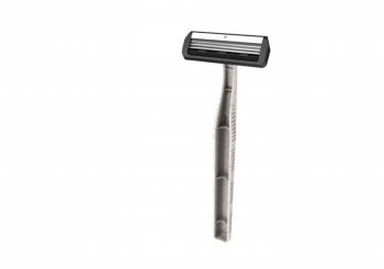
How to Shave Correctly with a Safety Razor?
Feb 12, 2026
Shaving correctly with a safety razor not only leaves your skin smoother but also prevents cuts and irritation. From choosing the right razor to pre-shave preparation, proper shaving techniques, and post-shave care, every step is crucial. Mastering these techniques will make your shaving experience more comfortable and efficient.
I. Choosing the Right Safety Razor: The First Step to a Great Shave
First, choosing a good safety razor is essential. There are many types of safety razors on the market, from traditional single-blade razors to modern multi-blade systems, each with its own advantages.
For beginners, it's recommended to choose a razor with a protective guard to reduce the risk of cuts. The quality of the blade is also important; a good blade is not only sharp and durable but also conforms better to the contours of the face, reducing friction and irritation.
II. Pre-Shave Preparation: Details You Can't Ignore
Pre-shave preparation is equally important. Cleaning your face is the first step; use a gentle facial cleanser to help open pores and make it easier to shave your beard.
Next, apply a hot towel to your face for a few minutes. This not only softens the beard but also further opens the pores, making the shaving process smoother. If possible, taking a hot shower beforehand will yield even better results.
III. Correct Shaving Techniques: Making Shaving Easier
Mastering the correct shaving techniques will make the entire process easier and more enjoyable. First, maintain an angle of about 30° between the razor and your skin, and don't press too hard; simply glide the razor gently.
The direction of shaving is also important. Generally, shave in the direction of hair growth to reduce irritation and redness caused by shaving against the grain. When dealing with complex areas such as the neck and chin, use your other hand to tighten the skin, allowing the razor to conform better.
IV. Post-Shave Care: Giving Your Skin a Boost
After shaving, rinse your face with cold water to help close pores and reduce inflammation. Then, apply an alcohol-free aftershave or moisturizer to replenish moisture and relieve dryness and discomfort after shaving. If there is slight redness or irritation, you can use products containing soothing ingredients, such as aloe vera gel or green tea extract, to help calm the skin.
V. Maintenance of Safety Razors to Extend Lifespan
Finally, don't forget to regularly clean and maintain your safety razor. After each use, rinse the blade with water to remove residual whiskers and foam. Dry it before storing to prevent rust.
Periodically check if the blade is dull, and replace it with a new blade when necessary to ensure shaving effectiveness and safety.
The above is a comprehensive guide to shaving with a safety razor. We hope it will be helpful to you. Remember, patience and carefulness are key to successful shaving. We wish you smooth and comfortable skin.