How To Choose A Razor Manufacturer That Can Actually Support Customization
Feb 25, 2026
Many buyers say they want a custom razor. What they often receive is the same product with a different color and logo.
In a market filled with similar-looking razors, surface-level customization rarely creates real differentiation. Over time, it often leads to unstable performance, inconsistent user experience, and products that fail to stand out.
So how do you choose a razor manufacturer that can actually support customization-not just visually, but functionally?
1. Customization Is a System, Not a Single Feature
A razor is not one component. It is a system.
True customization considers how multiple elements work together, including:
The blade system
The head structure
Skin-contact and comfort features
Handle balance and ergonomics
Changing one part without understanding its impact on the others often creates new problems instead of better performance.
A capable manufacturer looks at the whole system before suggesting any modification.
2. Blade Performance Is About Integration, Not Just Specifications
It is easy to talk about blade materials or coatings. It is much harder to design a blade that works correctly within a specific head structure.
From a buyer's perspective, what matters most is:
Whether the blade works smoothly with the head geometry
Whether the shaving angle remains stable during use
Whether comfort and efficiency are balanced over repeated use
Manufacturers that truly support customization focus less on isolated specifications and more on how the blade, structure, and skin-contact elements function together.
3. Structural Customization Requires Control, Not Bold Claims
Structural changes are where real differentiation happens - and where real risks appear.
Modifying spacing, floating mechanisms, or skin-contact designs without enough experience can result in:
Increased irritation
Hair clogging
Unpredictable shaving performance
A reliable customization partner will:
Clearly define which modifications are safe
Explain trade-offs in simple terms
Protect product stability, even if it means limiting certain changes
Customization works best when it is controlled, tested, and purposeful.
4. Customization Should Be Based on Usage Scenarios
Not all razors are used the same way.
An experienced manufacturer will ask about:
Target users and skin types
Shaving frequency and habits
Application scenarios (face, body, precision areas)
Regional and channel-specific preferences
Rather than pushing one universal design, they adjust structures and configurations to match real-world usage, not temporary trends.
5. Long-Term Product Stability Matters More Than Short-Term Changes
True customization is not about making a product different for one order. It is about building a razor that can perform consistently over time.
A capable manufacturer focuses on:
Structural stability
Performance consistency between batches
Designs that can evolve without rebuilding everything from scratch
This approach helps brands develop products that last longer in the market and support future line extensions.
Final Thoughts: Real Customization Goes Deeper Than Appearance
The razor market does not need more products that look different but perform the same.
True customization comes from understanding how design, structure, and real usage work together. Choosing the right manufacturer means choosing a partner who thinks in systems, not shortcuts.
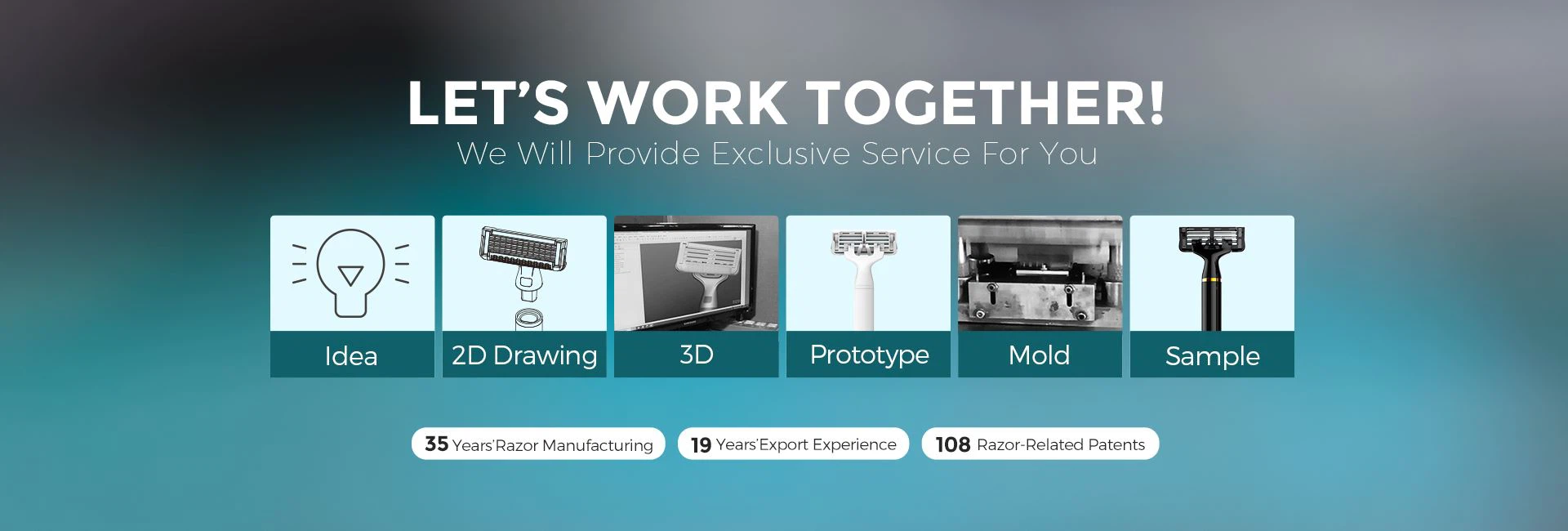
At KAILI, we approach customization as a complete shaving solution - combining structural design, engineering experience, and manufacturing consistency to support brands at every stage of product development.
A razor that is well-designed from the inside will always stand out on the outside.